



Welcome to PowerBells' premium lifting belts collection. Whether you're a powerlifter, bodybuilder, or fitness enthusiast, our high-quality weight-lifting belts are designed to provide essential core support and stability during heavy lifts.
Our range includes lever belts and gym belts, all crafted from premium leather to ensure durability and comfort lifting. NZ athletes trust PowerBells for their lifting belt needs, discovering why thousands continue to choose our range for strength, support, and performance.
What is a Lifting Belt?
A lifting belt is an essential piece of equipment for anyone serious about strength training. It's designed to provide lumbar support and increase intra-abdominal pressure, which helps stabilise your spine during heavy compound lifts like squats, deadlifts, and bench presses.
The primary purpose of a weight-lifting belt is twofold: it reduces stress on your lower back muscles by allowing you to safely increase core pressure, and it provides tactile feedback to help you maintain proper form. This is why serious lifters—from competitive powerlifters to dedicated gym enthusiasts—rely on quality lifting belts.
A good lifting belt isn't just about protection; it's about performance. By providing external support, you can lift heavier weights safely and with greater confidence. This is particularly important during maximal efforts or high-volume training sessions where fatigue can compromise form.
At PowerBells, we understand that not all lifting belts are created equal. That's why we offer premium options designed specifically for New Zealand lifters who demand quality and durability. Explore our full range of strength training equipment and accessories to support your fitness journey.
Types of Lifting Belts
Understanding the different types of lifting belts will help you choose the right one for your training style and goals.
Lever Belts
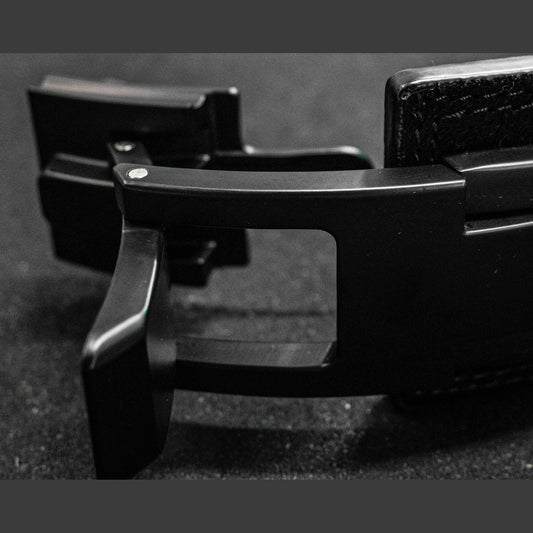
Lever belts feature a mechanical lever buckle system that provides quick, secure fastening. They're the gold standard for competitive powerlifting because they offer maximum rigidity and consistent support. Our PowerBells 13mm Lever Lifting Belt is perfect for serious lifters who want premium support during heavy compound movements. Lever belts are ideal if you're performing maximal efforts or training for competition.
Velcro/Gym Belts
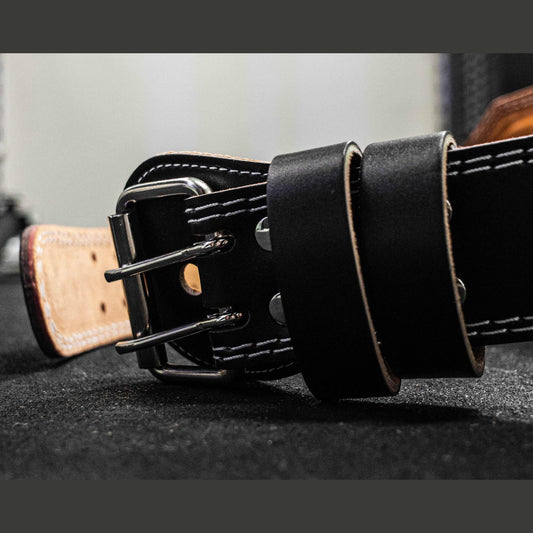
Velcro belts offer versatility and ease of adjustment, making them perfect for general gym training, CrossFit, and functional fitness. They're easier to put on and take off between sets, and they allow for quick adjustments to fit your body perfectly. Our PowerBells Leather Gym Belt is an excellent choice for lifters who want quality support without the rigidity of a lever system.
Choosing Between Types
The best lifting belts depend on your training style. If you're doing heavy powerlifting or strength training, a lever belt provides maximum support. If you're doing varied training with different exercises, a gym belt offers greater flexibility. Both types of lifting belts are valuable tools when chosen correctly.
At PowerBells, we stock both premium lever belts and gym belts to suit every training need and preference. Pair your belt with adjustable dumbbells and other essential training gear for a complete setup.
How to Choose a Lifting Belt
Selecting the right lifting belt is an important decision that impacts both your safety and performance. Here's what to consider:
Width and Thickness
Lifting belts typically range from 8mm to 13mm in thickness. Thicker belts (10–13mm) provide maximum support for heavy powerlifting, while thinner options (8mm) offer more flexibility for varied training. Width also matters—wider belts (4 inches) provide more lumbar support, while narrower options (2–3 inches) allow greater mobility.
Material Quality
Premium leather is the gold standard for weight-lifting belts. It's durable, provides excellent support, and actually improves with age. At PowerBells, all our lifting belts are made from high-quality leather that's built to last through years of intense training.
Fit and Comfort
Your lifting belt should fit snugly but not restrict breathing. A properly fitted belt sits just above your hip bones and should be tight enough to provide support but loose enough to allow for proper bracing. Most lifters wear their belts slightly loose during training, then tighten it when performing heavy lifts.
Your Training Style
Consider what lifts you perform most. Powerlifters need maximum rigidity, so a lever belt is ideal. General fitness enthusiasts might prefer the versatility of a gym belt. CrossFit athletes often prefer Velcro for quick transitions between exercises.
Budget Considerations
Quality lifting belts are an investment. Premium options cost more upfront but last significantly longer than budget alternatives. When you consider cost-per-use over years of training, premium belts are actually more economical.
If you're unsure which belt suits your needs, contact our team for expert advice and personalised recommendations.